Colorization
Colorizing black and white photos
A black and white print comes back in colour, with the light and texture of the original untouched. No plastic tones, no softening.
Colorizing one photograph: PLN 9.99
See the full price listDamaged and black and white at once? Restoration with colorization is a separate option, cheaper than ordering both services on their own.
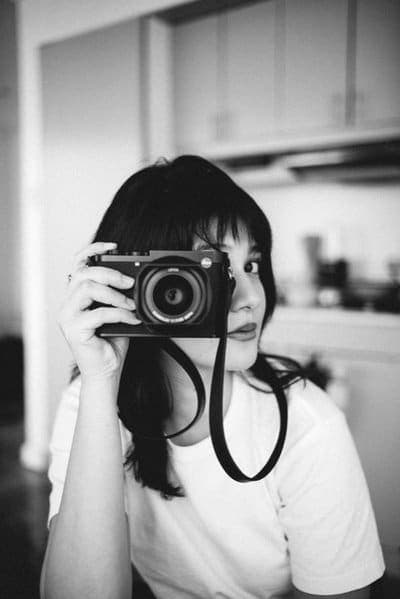
Before
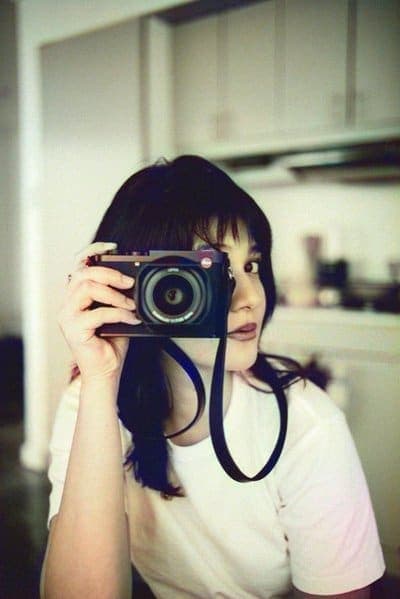
After
Who this is for
Photographs from before colour film
Portraits from the 1940s, 50s and 60s, taken when colour stock was still a rarity in most of Europe.
Military and school photographs
Pictures where everyone looks alike precisely because there is no colour. Complexion and background make an enormous difference here.
Local history and exhibitions
Material for a display, a museum room or a parish record, where colour helps a visitor see a scene rather than a document.
A present that lands
A colour version of the photograph everyone in the family knows in black and white. It works because the comparison happens by itself.
How the colour is chosen
A monochrome print records brightness, not colour. But brightness together with shape says more than it seems.
- 01
Recognising objects
The frame is divided into regions: face, hair, clothing, foliage, sky, wall. Each is coloured on its own terms.
- 02
Choosing a range
A region gets a range rather than a single shade. Skin gets a range of complexions, sky a range of blues, and the choice within the range follows the brightness at that spot.
- 03
Laying colour over brightness
Colour sits on the original brightness map, so shadow, highlight and the weave of a fabric stay exactly as they are on the print.
- 04
Settling the edges
Colour must not bleed past a contour. This step decides whether the photograph reads as natural or as a colouring book.
What is certain and what is a choice
Reliable: anything that occupies a narrow band of colour in the real world. Skin, hair, wood, brick, foliage, sky, water. These land almost every time.
A choice rather than a reading: the colour of a dress, a tie, a car, the paint on a wall. Nothing in the brightness reveals whether a jumper was burgundy or navy. The most likely option for that cut and that period is used.
If you remember the real colour of something important, check it against the result and order a second pass if you need to. On a wedding dress or a uniform that can be the difference between "nice" and "that is really them".
A damaged photograph is worth restoring first. A scratch is an abrupt change in brightness, so without restoration it can be read as the edge of an object and coloured separately.
Try it on one photograph
Before you take on a whole album, see how one portrait turns out.